


Introduction
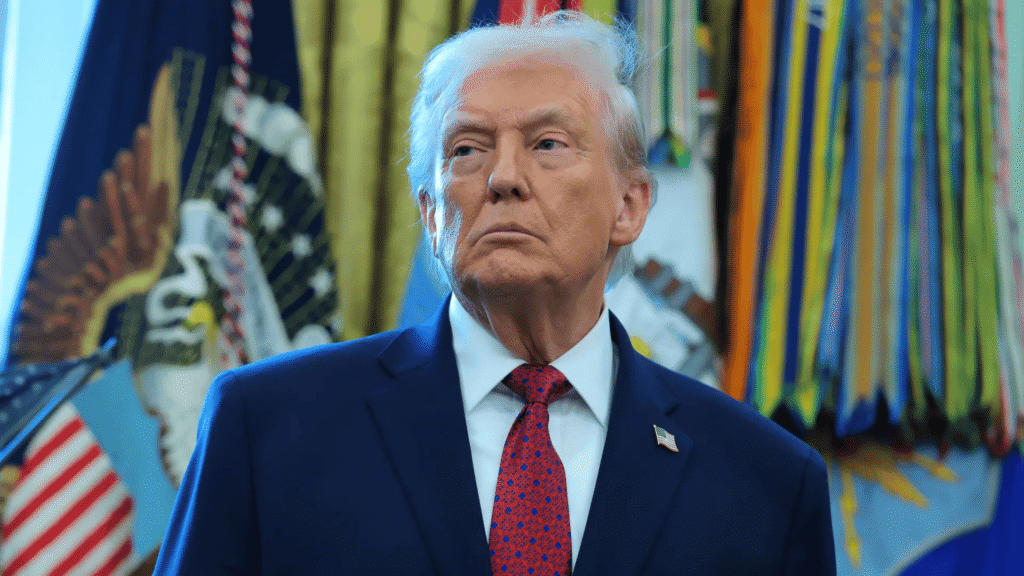
The Trump administration has announced plans to restart aggressive debt collection measures against borrowers who have defaulted on federal student loans, with wage garnishment set to begin in January. The move signals a tougher stance on unpaid education debt and could have significant financial consequences for millions of Americans already struggling with inflation and rising living costs.
What the Policy Change Means
Under the updated policy framework, borrowers who remain in default may see a portion of their wages automatically withheld to repay outstanding student loan balances. The federal government has broad authority to collect unpaid loans without court approval, including garnishing paychecks and withholding tax refunds.
Officials argue that resuming collections is necessary to protect taxpayer money and restore discipline to the federal lending system after years of payment pauses and temporary relief programs.
Impact on Borrowers’ Personal Finances
For affected borrowers, wage garnishment could reduce take-home income by up to 15 percent, depending on earnings and loan status. Financial experts warn that this could:
- Increase household financial stress
- Lead to higher reliance on credit cards and personal loans
- Raise delinquency risks in other areas such as rent, auto loans, and medical bills
Low-income workers and borrowers without access to financial counseling are expected to feel the greatest impact.
Broader Economic and Financial Implications
From a US finance perspective, the policy could have mixed effects:
- Government revenue may improve as delinquent balances are recovered
- Consumer spending could weaken, especially among younger workers
- Credit markets may see higher stress if borrowers struggle to manage reduced income
Student loan debt already exceeds $1.7 trillion nationwide, making it a critical factor in long-term economic growth, workforce mobility, and housing demand.
Political and Legal Debate Continues
Critics of the policy argue that restarting wage garnishment without expanded repayment assistance could deepen economic inequality. They also warn that aggressive collections may undermine labor market stability at a time when many households remain financially vulnerable.
Supporters, however, say the move reinforces accountability and discourages strategic defaults, emphasizing that multiple repayment and rehabilitation options still exist for borrowers who engage proactively with loan servicers.
What Borrowers Can Do Now
Financial advisors recommend that borrowers in default take action before January by:
- Exploring loan rehabilitation or consolidation programs
- Contacting loan servicers to discuss income-based repayment options
- Reviewing eligibility for hardship or deferment relief
Early engagement may help borrowers avoid wage garnishment altogether.
Conclusion
The decision to restart wage garnishment on defaulted student loans marks a major shift in US student debt policy. As January approaches, both borrowers and financial markets will closely watch how the policy affects household finances, consumer spending, and the broader economy.
