


Precious metals markets are seeing a notable shift in sentiment as several market analysts suggest investors may want to reconsider their exposure to silver and refocus on gold. The changing outlook comes amid evolving global economic signals, interest rate expectations, and central bank behavior that are reshaping demand dynamics across commodity markets.
Why Silver Is Losing Momentum
Silver has delivered strong gains over recent years, driven by industrial demand, especially from solar energy, electric vehicles, and electronics manufacturing. However, analysts argue that much of this optimism may already be priced in.
With global manufacturing growth showing signs of slowing and uncertainty around future industrial output, silver’s dual role as both a precious and industrial metal is becoming a risk factor rather than an advantage. Any economic slowdown tends to hit industrial commodities harder, increasing volatility for silver prices.
In addition, silver’s sharp rallies have historically been followed by extended periods of consolidation or pullbacks, leading some strategists to believe the metal could be nearing a cyclical peak.
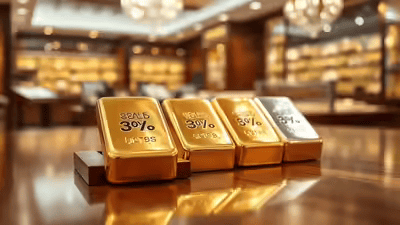
Gold’s Renewed Appeal in a Shifting Economy
Gold, on the other hand, is increasingly being viewed as a more stable store of value in the current macroeconomic environment. Expectations of potential interest rate cuts in the United States, persistent geopolitical tensions, and rising government debt levels are reinforcing gold’s role as a defensive asset.
Central banks across emerging and developed economies have also continued to add gold to their reserves, providing long-term structural support for prices. Unlike silver, gold is less exposed to fluctuations in industrial demand, making it more resilient during periods of economic uncertainty.
Interest Rates and Currency Trends Matter
Another factor influencing the gold-over-silver argument is the direction of real interest rates and the U.S. dollar. If inflation remains sticky while rate cuts come into focus, real yields could decline — a scenario that historically favors gold.
Silver, while also benefiting from lower yields, tends to react more sharply to changes in growth expectations, increasing downside risk if economic data weakens.
What This Means for Investors
For investors, the shift does not necessarily mean abandoning silver altogether, but rather reassessing portfolio balance. Gold may offer better risk-adjusted returns in the near to medium term, especially for those seeking stability rather than aggressive upside.
Diversification remains key. Investors with heavy exposure to silver may consider trimming positions and reallocating a portion toward gold or gold-related assets to reduce volatility.
Market Outlook
Looking ahead, precious metals will continue to respond to inflation data, central bank policy decisions, and global economic trends. While silver could regain strength if industrial demand accelerates again, gold currently appears better positioned to benefit from uncertainty and shifting monetary conditions.
As always, investors should align commodity exposure with their broader financial goals, time horizon, and risk tolerance rather than chasing short-term market calls.
