


Silver prices stunned global markets after briefly climbing above the $80 per ounce mark for the first time, only to reverse sharply in overnight trading. The dramatic move has drawn attention from investors, commodity traders, and analysts who are reassessing the role of precious metals in an increasingly volatile financial environment.
A Historic Breakout Followed by Sudden Reversal
The rally in silver was fueled by a combination of strong industrial demand, persistent inflation concerns, and growing interest in alternative assets amid uncertainty around global monetary policy. Prices accelerated rapidly during thin trading hours, pushing silver into uncharted territory before profit-taking and algorithmic selling triggered a swift pullback.
Market participants noted that the speed of the rise left prices vulnerable to a correction, especially as technical indicators flashed overbought conditions.
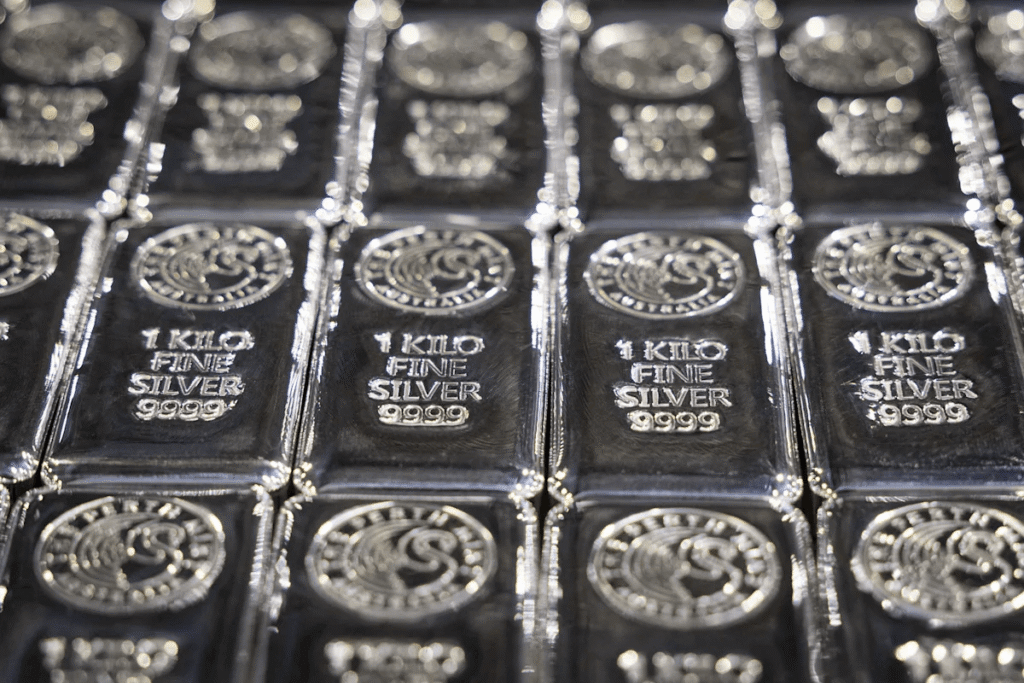
What Drove Silver to Record Levels?
Several structural factors contributed to silver’s surge:
- Rising demand from the renewable energy and semiconductor industries, where silver is a key input
- Expectations of eventual interest rate cuts in major economies, boosting non-yielding assets
- Increased retail and institutional interest in precious metals as a hedge against currency volatility
Unlike gold, silver’s dual role as both an investment asset and an industrial metal often leads to sharper price swings during periods of economic transition.
Why the Selloff Happened So Fast
The overnight reversal highlights silver’s reputation for volatility. Once prices crossed psychological resistance levels, short-term traders moved quickly to lock in gains. At the same time, stronger-than-expected economic data from the U.S. reduced immediate fears of aggressive monetary easing, pressuring precious metals broadly.
Liquidity conditions also played a role, as thinner trading volumes amplified price movements in both directions.
What This Means for Investors
For long-term investors, the move reinforces silver’s potential as a diversification tool, but also underscores the risks of chasing momentum at extreme levels. Analysts suggest that sustained gains will depend on whether industrial demand remains strong and whether inflation stays elevated over the medium term.
Short-term traders, meanwhile, are watching key support levels closely to see whether silver stabilizes or faces further downside pressure.
Bigger Picture: Precious Metals in 2025
The dramatic swing in silver prices reflects a broader theme in global markets: heightened sensitivity to macroeconomic signals. As investors balance growth prospects, inflation risks, and central bank policy, commodities like silver are likely to remain volatile.
Whether silver can reclaim recent highs will depend less on speculative enthusiasm and more on fundamentals such as supply constraints, industrial usage, and long-term investment flows.
