


Introduction
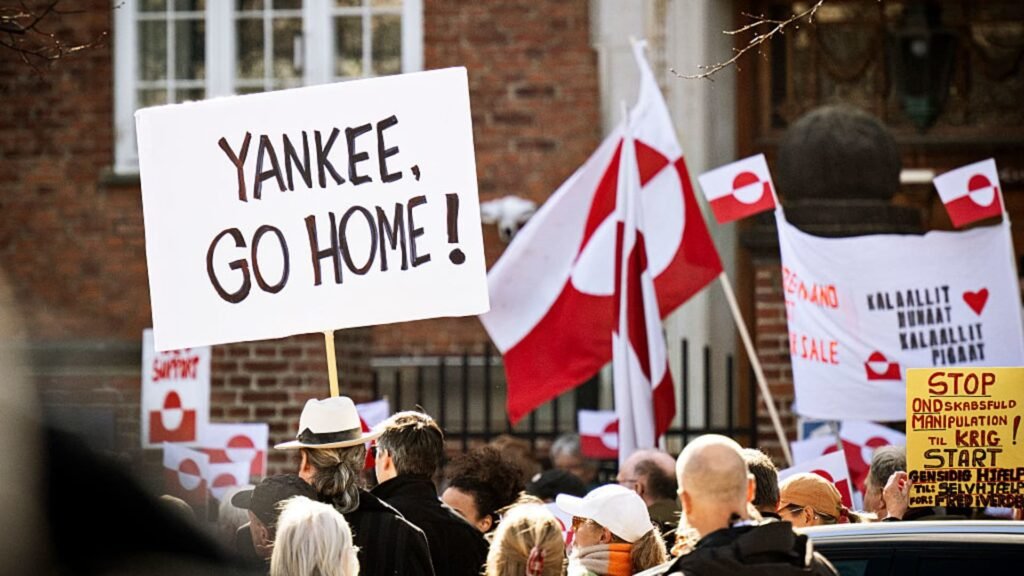
Denmark is preparing to summon the United States ambassador following growing political tensions triggered by former U.S. President Donald Trump’s decision to appoint a special envoy focused on Greenland. The move has raised diplomatic concerns in Copenhagen and reignited broader debates around sovereignty, Arctic strategy, and U.S. foreign policy priorities.
Greenland Appointment Raises Diplomatic Questions
Greenland, an autonomous territory within the Kingdom of Denmark, has long held strategic importance due to its location in the Arctic and proximity to emerging global shipping routes and natural resources. Trump’s decision to designate a special envoy specifically for Greenland has been interpreted by Danish officials as an unusual and potentially provocative step.
Danish authorities have emphasized that while cooperation with the United States remains strong, diplomatic engagement related to Greenland must respect existing political frameworks and sovereignty arrangements. The planned meeting with the U.S. ambassador is expected to seek clarification on Washington’s intentions and the scope of the envoy’s role.
Why Greenland Matters Economically and Strategically
Greenland’s importance extends beyond geopolitics into economic and financial considerations:
- The region holds potential reserves of rare earth minerals critical for clean energy and defense technologies
- Melting Arctic ice is opening new commercial shipping lanes
- Increased military and economic interest could influence future investment flows into Arctic infrastructure
For U.S. investors and policymakers, Arctic access represents both opportunity and risk, particularly as global competition intensifies among major powers.
Market and Policy Implications
While the situation remains diplomatic rather than confrontational, markets tend to monitor geopolitical friction closely. Heightened tensions between close allies can influence:
- Defense and aerospace sector outlooks
- Energy and natural resource investment strategies
- Long-term Arctic development policies
Analysts note that any escalation could impact U.S.–EU relations, which play a key role in trade stability and cross-border capital movement.
Denmark Pushes for Transparency
Danish leaders have reiterated that dialogue remains the preferred path forward. The decision to summon the U.S. ambassador is being framed as a standard diplomatic procedure rather than a punitive response, signaling Denmark’s intent to maintain constructive relations while defending its political interests.
The episode also highlights how leadership decisions and unconventional diplomatic approaches can create ripple effects across international alliances and financial markets.
Broader Context for U.S. Global Influence
Trump’s Greenland-related moves reflect a broader “America First” approach that prioritizes strategic advantage and national interest. While such policies may resonate domestically, they often introduce uncertainty into established international relationships.
For investors and policymakers alike, the key question remains whether these actions lead to tangible economic outcomes or simply add volatility to global diplomacy.
Outlook
At present, the situation is expected to remain contained within diplomatic channels. However, Greenland’s strategic importance ensures that similar developments will continue to draw attention from governments, investors, and global markets.
As Arctic competition grows, how the U.S. navigates relationships with allies like Denmark will play an increasingly important role in shaping future economic and geopolitical outcomes.
