


As 2025 approaches its final trading weeks, U.S. stock markets are showing signs of fatigue, with the S&P 500 slipping as investors begin booking profits, particularly in high-flying technology stocks. After a year dominated by AI enthusiasm and strong corporate earnings, markets are shifting from aggressive buying to a more cautious stance.
Tech Stocks Face Profit-Taking Pressure
Technology shares, which led much of the market’s rally throughout 2025, are seeing increased selling pressure. Many investors who benefited from sharp gains earlier in the year are now choosing to lock in profits ahead of year-end, a common strategy as portfolio managers rebalance positions for tax planning and risk management.
Mega-cap tech companies remain fundamentally strong, but stretched valuations have made some traders wary of further upside in the near term. This has contributed to broader market weakness, pulling the S&P 500 lower despite resilience in other sectors.
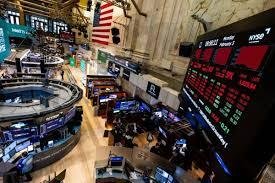
Why the S&P 500 Is Losing Momentum
Several factors are influencing the current market pullback:
- Valuation concerns after a prolonged rally
- Year-end profit booking by institutional and retail investors
- Uncertainty around interest rate policy heading into 2026
- Slower trading volumes as holiday season approaches
While the decline has caught attention, analysts note that the move so far reflects normal market behavior rather than panic selling.
Defensive Sectors Offer Relative Stability
As growth stocks cool off, some investors are rotating capital into more defensive areas of the market. Sectors such as healthcare, utilities, and consumer staples are seeing steadier demand, as they are traditionally viewed as safer during periods of uncertainty.
This shift suggests that investors are not exiting the market entirely, but rather adjusting exposure in anticipation of a potentially more volatile environment next year.
What This Means for Long-Term Investors
Market strategists caution against overreacting to short-term declines. Historically, mild pullbacks near the end of the year have often been followed by renewed momentum in the following quarters, especially when the broader economic outlook remains stable.
For long-term investors, the current dip may present selective opportunities, particularly in quality companies with strong balance sheets and sustainable earnings growth.
Looking Ahead to 2026
As attention turns toward 2026, investors will closely monitor:
- Federal Reserve signals on interest rates
- Corporate earnings guidance for the new year
- Economic growth trends in the U.S. and globally
While the S&P 500’s recent decline reflects caution, it also highlights a market transitioning from momentum-driven optimism to more disciplined, fundamentals-based decision-making.
