


The US Department of Defense’s internal watchdog has raised serious concerns over ongoing maintenance problems affecting the F-35 fighter jet program. The findings have drawn attention not only from defense officials but also from investors tracking the aerospace and defense sector, as the F-35 remains one of the most expensive and strategically important military programs in the world.
The watchdog report points to persistent issues in aircraft upkeep, spare parts availability, and overall readiness levels. Despite heavy investment, a significant portion of the F-35 fleet has struggled to meet expected mission-capable standards, limiting operational availability for the US military and its allies.
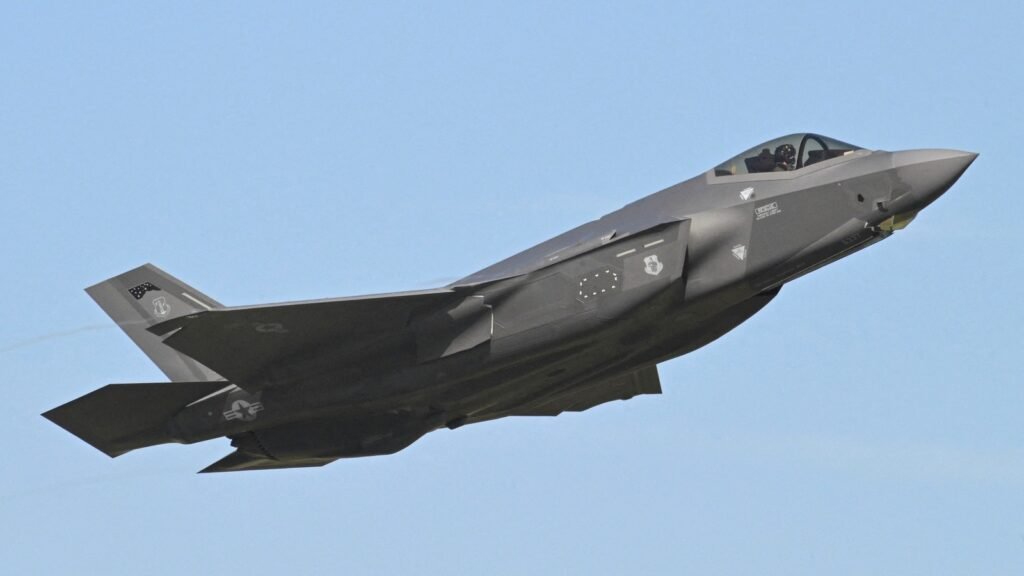
Maintenance challenges have been linked to supply chain inefficiencies, complex repair processes, and delays in upgrading support systems. These issues have increased sustainment costs, placing additional pressure on the Pentagon’s long-term defense budget planning. Analysts note that rising maintenance expenses could reduce funds available for other modernization efforts.
From a financial perspective, the criticism introduces new uncertainty for defense contractors involved in large government programs. While defense stocks are often seen as stable due to long-term government contracts, performance issues can affect investor confidence, particularly if they lead to tighter oversight, contract restructuring, or revised payment terms.
The situation also raises broader questions about cost control and accountability in major defense programs. Lawmakers and budget officials are expected to closely examine whether current contracting models effectively incentivize performance and readiness, especially as defense spending faces increased scrutiny amid broader fiscal pressures.
For investors, the developments highlight the importance of monitoring operational performance alongside revenue figures. Even companies with strong order backlogs can face market pressure if execution problems persist. Any future changes in defense policy, funding priorities, or oversight mechanisms could influence valuations across the aerospace and defense industry.
Looking ahead, attention will focus on how quickly maintenance challenges are addressed and whether reforms lead to improved aircraft readiness. The outcome could shape future defense procurement decisions and play a key role in determining how effectively the US balances national security needs with budget discipline.
