


Introduction
Former US President Donald Trump has reportedly withdrawn around 30 diplomatic envoys as part of his long-standing “America First” policy approach. Supporters describe the move as a necessary step to reduce overseas commitments, while critics argue it could weaken the United States’ influence abroad and strain diplomatic relationships.
The decision has renewed debate over how US foreign policy choices can shape global alliances, economic ties, and investor confidence.
What the Envoy Withdrawal Means
Diplomatic envoys play a key role in maintaining political dialogue, managing trade discussions, and addressing security concerns with partner nations. The reported pullback of roughly 30 envoys signals a shift toward a more inward-focused foreign policy strategy.
According to critics, reducing diplomatic presence may limit the US government’s ability to respond quickly to international developments, particularly in regions where geopolitical competition is intensifying.
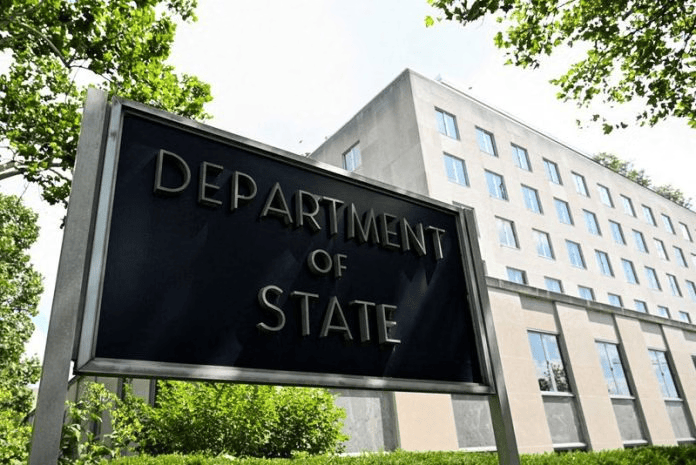
The ‘America First’ Strategy Explained
The “America First” doctrine emphasizes prioritizing domestic interests, cutting foreign spending, and reassessing international commitments. During Trump’s presidency, this approach influenced trade policies, defense alliances, and diplomatic engagement.
Supporters argue that pulling back envoys helps redirect resources toward domestic economic growth and reduces what they see as unnecessary overseas involvement. However, opponents warn that diplomacy often prevents conflicts and supports long-term economic stability.
Potential Impact on Global Trade and Markets
While the move is primarily diplomatic, foreign policy decisions often have financial implications. Reduced diplomatic engagement can complicate trade negotiations, affect multinational businesses, and increase uncertainty for global investors.
Markets generally favor predictability. Analysts note that abrupt changes in diplomatic strategy may introduce risk, especially for industries dependent on stable international relations, such as manufacturing, energy, and technology.
Criticism and Political Reaction
Critics, including former diplomats and foreign policy experts, claim that scaling back envoys could weaken US leadership and allow rival powers to expand their influence. They argue that diplomacy is a cost-effective tool that supports both national security and economic interests.
At the same time, supporters maintain that the US should reassess its global footprint and avoid commitments that do not deliver clear benefits to American taxpayers.
What to Watch Going Forward
If implemented broadly, the envoy withdrawals could signal a longer-term shift in US foreign policy direction. Investors, global businesses, and allied nations will be closely watching whether reduced diplomatic engagement affects trade talks, security cooperation, or economic agreements.
Future policy signals will be important in determining how the US balances domestic priorities with its global role.
Conclusion
The reported withdrawal of 30 envoys under the “America First” framework highlights the ongoing debate over the US role on the world stage. While supporters see the move as a step toward stronger domestic focus, critics warn it could weaken America’s diplomatic reach and global influence.
As foreign policy and economic interests remain closely linked, the long-term impact of this strategy will continue to draw attention from policymakers and markets alike.
