


The debate over wealth taxation in the United States has taken a sharper turn after Congressman Ro Khanna called for a nationwide investigation into alleged financial fraud, following intense backlash over his recent wealth tax proposal. The move has reignited discussions around economic inequality, tax enforcement, and investor confidence in the U.S. financial system.
Why the Wealth Tax Proposal Sparked Controversy
Khanna’s proposal aims to increase taxes on ultra-high-net-worth individuals, arguing that existing tax structures allow significant wealth to remain under-reported or shielded through complex financial arrangements. Critics, however, say the plan could discourage investment, drive capital overseas, and hurt innovation-driven industries, particularly in technology and venture capital.
The backlash has been especially strong in business and financial circles, where concerns have been raised about regulatory overreach and its potential impact on long-term economic growth.
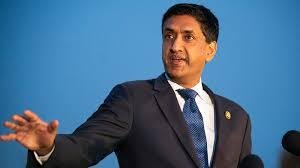
Call for a Nationwide Fraud Investigation
In response to the uproar, Khanna has urged federal authorities to launch a comprehensive fraud investigation focused on large-scale tax avoidance and financial misconduct. According to his stance, improved enforcement could generate substantial government revenue without placing additional burdens on middle-class taxpayers.
Supporters argue that cracking down on fraud would improve fairness in the tax system and strengthen public trust. Opponents counter that broad investigations could create uncertainty for investors and businesses already navigating a complex regulatory environment.
Market and Investor Implications
From a financial markets perspective, the renewed focus on wealth taxation and fraud enforcement may introduce short-term volatility, especially in sectors heavily reliant on private capital. Analysts note that:
- Increased scrutiny could affect high-net-worth investment flows
- Tech and startup ecosystems may face heightened regulatory risk
- Long-term market impact will depend on whether policy proposals translate into law
Despite the political noise, broader market fundamentals — including corporate earnings and interest rate expectations — continue to play a larger role in shaping investor sentiment.
Bigger Picture for US Economic Policy
The episode highlights a growing divide in U.S. economic policy debates: balancing revenue generation and fairness against maintaining a competitive investment climate. As lawmakers push for reforms, businesses and investors will be watching closely to see whether proposals evolve into enforceable legislation or remain part of the political discourse heading into future election cycles.
Conclusion
Ro Khanna’s call for a nationwide fraud probe has added new momentum to the wealth tax debate, placing financial transparency and tax enforcement at the center of the conversation. While the proposal has energized supporters of economic reform, it has also raised concerns among investors wary of policy uncertainty. How Washington navigates this issue could have lasting implications for U.S. finance, markets, and economic confidence.
